

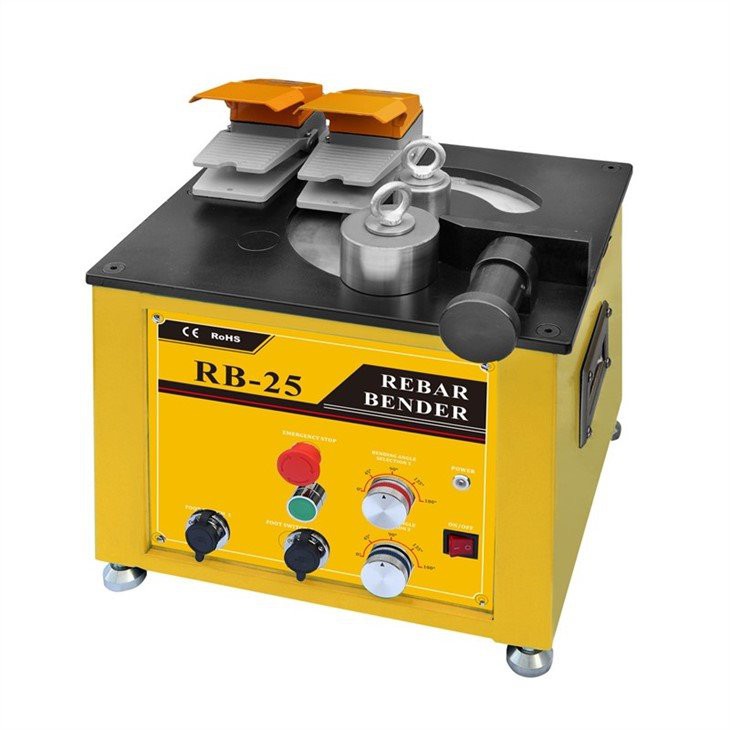
Daily maintenance of round bar bending machines is crucial for ensuring their stable operation. The following aspects should be considered:
1. Cleaning Work
(I) Surface Cleaning
After each workday, use a clean rag or brush to promptly remove dust, iron filings, oil stains, and other impurities from the equipment's surface. For stubborn stains, a specialized detergent can be used with a soft cloth for wiping. However, it is essential to prevent the detergent from corroding the equipment's surface coating. Pay special attention to cleaning key components, such as bending molds and transmission parts, to avoid impurity accumulation that could impede the equipment's normal operation.
(II) Internal Cleaning
Regularly (ideally once a week), open the equipment's protective cover to clean its interior. Utilize a vacuum cleaner or compressed air gun to remove dust and debris from the gearbox, motor, electrical cabinet, and other internal areas. This helps prevent component overheating due to poor heat dissipation or electrical short - circuits caused by dust buildup. Exercise caution during cleaning to avoid damaging internal circuits and parts.
2. Lubrication Management
(I) Lubrication Points
Numerous parts of round bar bending machines require regular lubrication, including the movable joints of bending molds, transmission gears, lead screws, and guide rails. Proper lubrication of these components reduces friction, minimizes wear, and ensures smooth equipment operation.
(II) Lubrication Cycles and Methods
Determine lubrication cycles based on the equipment's usage frequency and the manufacturer's manual. Generally, for frequently used equipment, guide rails and lead screws should be lubricated daily using specialized lubricants applied by smearing or dripping. For gearboxes and similar components, lubricant replacement is typically required every 1 - 3 months, with the exact interval specified in the equipment manual. When adding or replacing lubricants, ensure that the lubrication points are clean to prevent impurities from entering.
3. Component Inspection and Maintenance
(I) Mold Inspection
Before each use, carefully examine the surface of the bending mold for signs of wear, cracks, or deformation. If deep scratches or significant wear are detected, it can compromise the bending quality and precision of round bars, necessitating timely repair or replacement. Additionally, check the tightness of the mold's fixing bolts to ensure secure installation and prevent displacement during the bending process.
(II) Transmission Component Inspection
Regularly inspect transmission components such as belts, chains, and gears for tension and wear. If belts are loose or cracked, chains show signs of wear or skipping, or gears are chipped or severely worn, adjust the tension or replace the components promptly. Also, check the coupling connections for firmness, and listen for any abnormal noises or signs of looseness.
(III) Electrical System Inspection
Conduct a comprehensive inspection of the electrical system monthly. Check for damaged or aged wires and cables, loose terminals, and the proper functioning of electrical components like contactors and relays. In the event of an electrical fault, immediately cut off the power supply and have a professional electrician perform repairs to avoid equipment malfunctions or safety hazards caused by electrical issues.
4. Operation Status Monitoring
During equipment operation, closely observe its operating status, including sounds, vibrations, and temperature changes. If abnormal noises, excessive vibrations, or elevated temperatures in the motor, transmission components, or other parts are detected, stop the equipment immediately for inspection. Analyze the cause and address the issue promptly. Additionally, regularly record operating parameters such as bending force and bending speed. Analyzing these parameters can help identify potential equipment problems in advance, enabling preventive maintenance.
5. Rust Prevention Treatment
For round bar bending machines that are not in use for an extended period, implement rust prevention measures. Apply anti - rust oil to the equipment's surface and key components, and cover the machine with a dustproof cloth to protect it from moisture and rust. Power on the equipment regularly (once a month) and operate it for at least 30 minutes each time to eliminate internal moisture and safeguard the electrical components.


