

In order to ensure the stability of the equipment, prolong the service life and ensure the safety of operation, the daily maintenance of portable steel cutter should pay attention to the following aspects and operating specifications:
Core spare parts maintenance points.
Wear inspection: Check the thickness of the cutting edge regularly. When the cutting edge wears out more than 0.5mm, it should be ground or replaced in time to avoid reduction in cutting efficiency or tool jamming.
Gap adjustment: The gap between the fixed blade and the movable blade should be controlled to within 0.3mm to prevent bias or blockage during cutting.
Cooling and lubrication: When cutting hard materials with diamond blades, water cooling systems should be used simultaneously to prevent overheating. Lithium-based grease should be used at lubrication points (such as gears and sliders) and added according to the lubrication cycle.
Transmission system
Belt tension: check tightness of V-belt or drive belt. Press 12-15mm with your finger. If it's too loose, it slips; if it's too tight, it accelerates wear and tear.
Gears and bearings: Regularly clean oil stains, inspect lateral clearance of gears (should be greater than 1.7mm) and radial clearance of sliding bearings (should be less than 0.4mm), and replace worn parts in a timely manner.
Hydraulic system
Oil level and filtration: Keep hydraulic level normal, filter hydraulic oil regularly (contamination level should be limited to NAS-9), and change gear oil every 500-hour working cycle or quarterly.
Pressure monitoring: Check that the pressure in the hydraulic system is stable. When the oil pressure is lower than the specified value, the oil pressure needs to be adjusted to prevent weak cutting due to insufficient pressure.
Power system
Line inspection: Before daily use, check whether the cable or wire connections is strong, damaged or aging, and ensure good grounding.
Safety devices: Test the sensitivity of safety devices such as leakage protection devices devices and emergency stop buttons to ensure safe operation.
II. Daily Operation Norms
Pre-work inspection
Idle test: After 1-3 minutes of idling, check the mechanical condition (e.g. spindle wobbling, noise, brake reliability, etc.). Cuts can only be made when it is confirmed that there are no abnormalities.
Component tightening: Check the fastness of all component bolts. torque value should be over 90% of the calibration value to prevent loosening during cutting.
Cleaning after work
Residue: Remove oil stains, dust and chips from the body at the end of daily operations to prevent clogging of the lubrication system or corrosion of components.
Lubrication maintenance: according to the lubrication the lubrication chart add lubricating oil, focus on gear, sliders, bearings and over 20 key lubrication points.
Long-term decommissioning management
Rust-proof treatment: When the equipment is out of service for a long time, cut off the power supply and apply anti-rust grease to the metal parts (additional anti-rust treatment is required when humidity exceeds 80% in the south).
Storage environment: Equipment should be stored in a dry, well-ventilated room to avoid humid or corrosive environments.
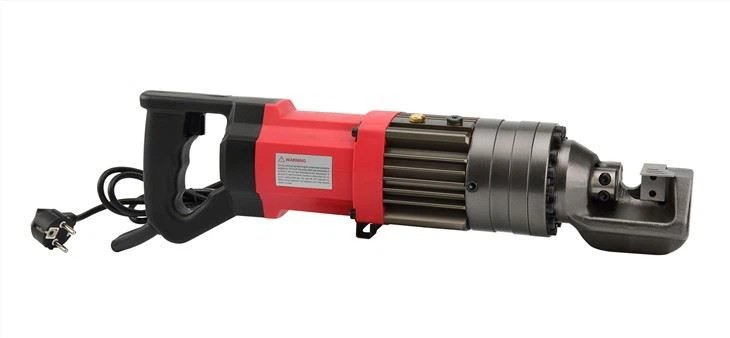
III. Periodic Maintenance Plan
Daily work: cleaning the body, checking lubrication, performing idle test, tightening bolts.
Weekly: Check circuit, adjust belt tension, test safety device.
Replace gear oil the reducer once a quarter, filter hydraulic oil, check wear condition of transmission components.
Annual: Hydraulic system overhauled, lubricants and filters replaced and equipment accuracy calibrated (within ± 2mm).
IV. Safety Precautions
Operational specification: When cutting, the blade should be perpendicular to the steel bar to avoid lateral force. It is forbidden to force the blade when it is jammed. The return valve should be adjusted to reset.
Environmental requirements: work in a well-ventilated area, away from flammable or explosive materials, to prevent accidents caused by sparks or heat.
Personal protection: Wear protective glasses, dust masks, cutting gloves and safety shoes during operation to prevent damage from flying iron or falling objects.


