The hydraulic system of electrohydraulic pipe bending machine is of moderate maintenance difficulty, but it should be operated strictly according to the operating rules to ensure the reliability of the equipment. The core of its maintenance lies hydraulic oil management, component maintenance and environmental control. Specific maintenance requirements are as follows:
I. Hydraulic System Maintenance Difficulty Analysis
Technical Threshold
Hydraulic system maintenance requires basic hydraulic principles (such as pressure loss, flow control) and component structure (such as hydraulic pumps, relief valves). For example, pressure loss may result in insufficient bending force, which can be addressed by adjusting the relief valve or checking for oil blockage. This requires a certain technical base of operators.
Maintenance Frequency
Daily maintenance consists mainly of cleaning and inspection (e.g. removal of oil stains and tightening of connections). Periodic maintenance requires regular replacement of hydraulic fluids and filters. For example, hydraulic fluids should be replaced every six months to one year, and filters should be replaced in advance, depending on the level of contamination. The overall maintenance cycle is clear and difficult to control.
Point of risk
Oil pollution: Impurities in hydraulic oil (such as metal powder, moisture, etc.) can accelerate component wear and even lead to blockage of the valve core jamming. For example, wear and tear of an oil pump can lead to pressure fluctuations, which can be prevented by regularly testing the granularity of the oil in advance.
Sealing Failure: High temperature or spoilage of oil will accelerate the aging of sealing components. Piston rod sealing ring and dust covers should be inspected regularly to avoid oil leakage.
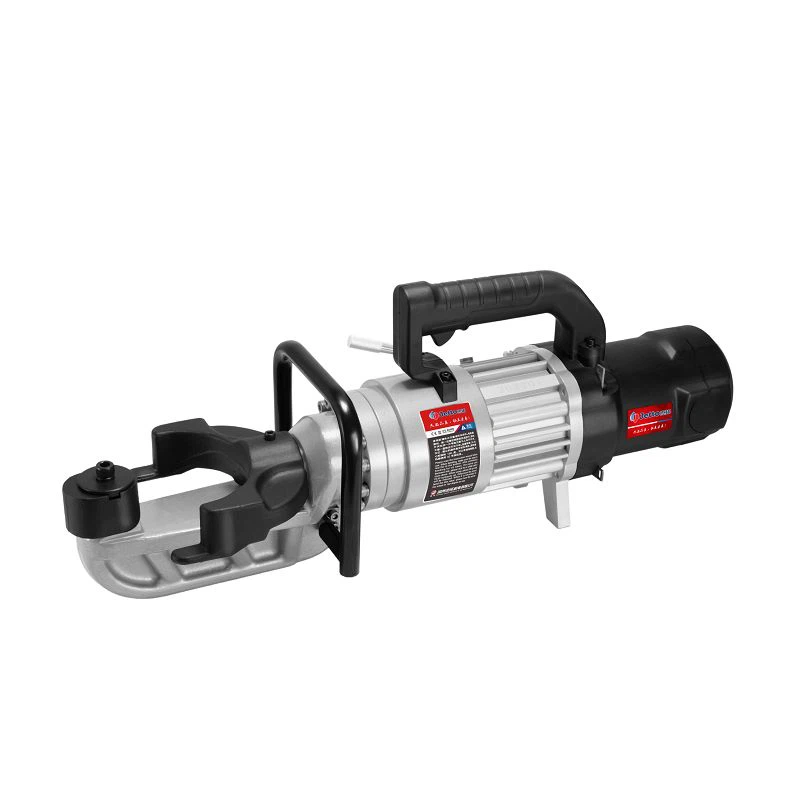
II. Common Maintenance Requirements
1.Hydraulic Oil Management
Regular replacement: Hydraulic oil should be replaced every 6 months to 1 year, depending on frequency of use. For long-term high-temperature operations, the replacement cycle should be shortened (e.g., every 500 hours). During replacement process, both the oil tank and filter must be cleaned to prevent residual impurities from contaminating the new oil.
Oil analysis: sample to test oil the viscosity, acid value and moisture content. If the target is exceeded (e.g. humidity > 0.1%), oil should be replaced immediately. For example, too much moisture can lead to the emulsification of lubricating oil, reducing the lubricating properties of lubricating oil.
Filter requirements: When refueling, you must pass through a high-precision filter (such as a 10μm filter screen). Direct pouring of unfiltered oil is prohibited.
2. Component Maintenance
Filter maintenance:
Oil filters: Change oil filters every 500 hours, even if they are not clogged, in time to avoid potential hazards.
suction filter: regularly clean the surface impurities the pump to prevent the oil pump from inhaling particles.
Hydraulic pump inspection: Check pump body temperature (normal ≤ 70°C) and noise monthly. If abnormal, the bearing and gear wear shall be removed for inspection.
Valve calibration: Valve pressure values are verified quarterly to ensure system pressure stability (for benders with a rated pressure of 16 MPa, overflow valves should be set to ≤ 17.6 MPa).
3.System Cleaning and Dust Prevention
Daily cleaning: After each use, clean the valve body of oil stains and dust, and carefully wipe the surface of hydraulic cylinder piston rod to prevent dust from entering the system.
Dust control measures: install a dust filter in the air inlet of the control cabinet and blow away dust accumulated in the room with compressed air quarterly to prevent circuit board short circuit.
Pipeline protection: Check regularly the aging condition of the pipeline (e.g. cracks, drum pack, etc.) and, when replacing the pipeline, select a pipeline that matches the rated pressure (20 MPa if working pressure is 16MPa).
4.Environmental controls
Temperature management: Equipment shall be stored at an ambient temperature of 5-40°C with humidity not exceeding 75%RH. Avoid rusty metal components and moisture absorption in electronic components.
Heat Dissipation Maintenance: ensure that the heat dissipation fan operates properly. Auxiliary heat sinks should be added if necessary (e.g. at high temperatures).
Antisepsis: When using equipment in coastal areas, wipe exposed metal surfaces with rust oil once a month and spray silicon-based lubricant on curved mold surfaces to form a protective film.
III. Maintenance Precautions
Safe operation: Do not remove pipe joints or components when the system is under pressure. First, decompress (for example, opening the relief valve) before proceeding.
Component Matching: When replacing a component, use the original model (for example, the hydraulic pump model must match the device) to avoid compatibility issues.
Record keeping: set up maintenance file, record oil changing time, parts repair record, pressure calibration data, easy to trace the root cause the problem.